We promise
- To always speak up when we see an issue, no matter how uncomfortable it may be.
- To always intervene when we see an unsafe act or situation.
- To always be the Team you can rely on to set the example for others.




Who we are
WE KNOW
For those of you in the Nuclear Industry, Human Performance is nothing new. For everyone else, stay with us for a minute while we explain how it ties into our Safety Culture.
First, here are a few safety statements that should be easy to agree with. Do you agree that:
Hopefully, you agree with all of those statements. If so, would it surprise you to know that these are safety principles and practices that date back more than 100 years?
By 1920, the Safety Institute of America had already addressed head and eye protection in the book Safety Fundamentals, including the different types of eye protection appropriate for different kinds of work and their associated hazards.
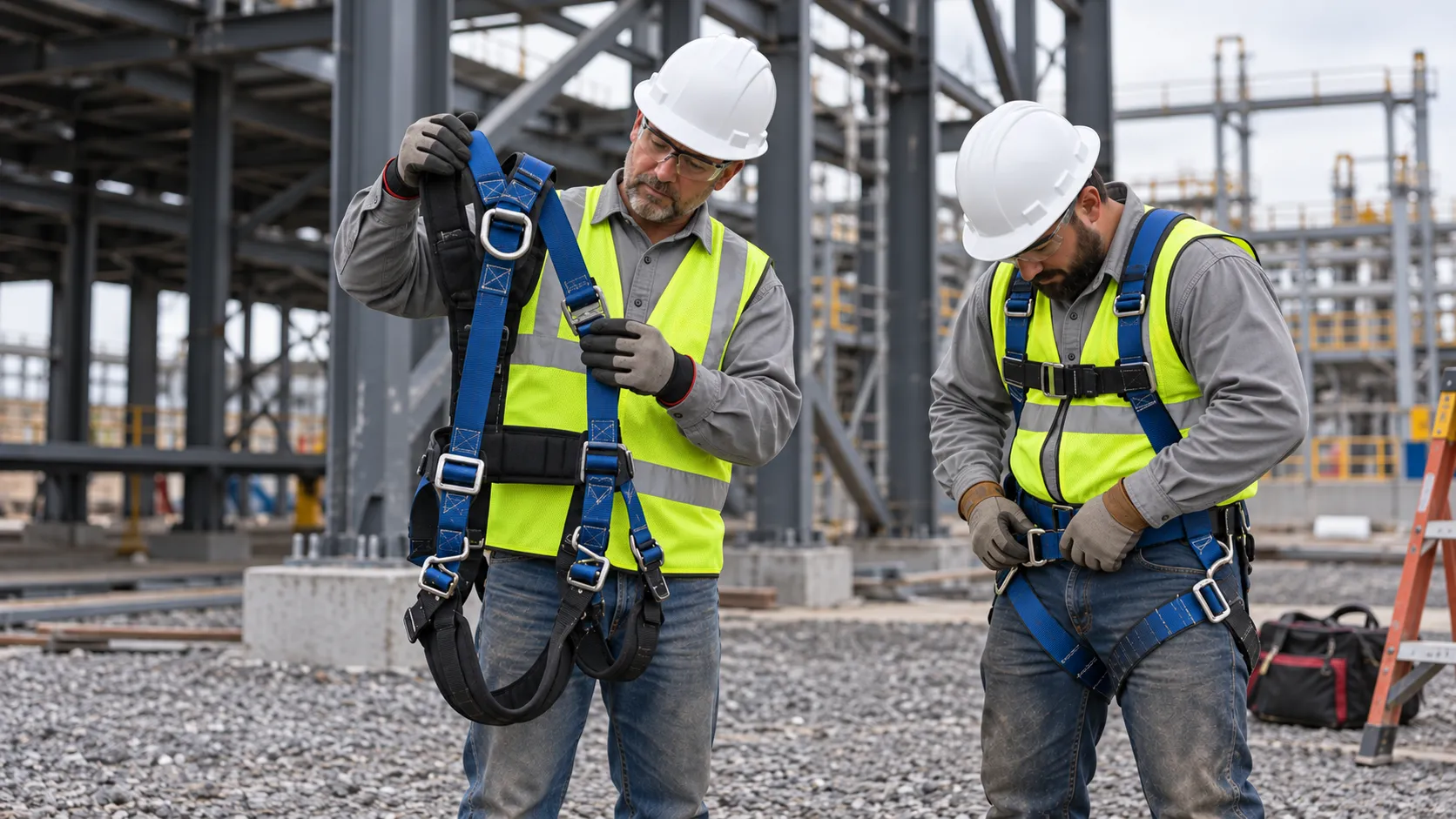
Handrails, rotating equipment guards, energized equipment barriers, and PPE are not new concepts. More than a century ago, the National Safety Council was already promoting the education of engineering students in the fundamentals of modern accident prevention. Yet workers are still getting hurt every day.
Many of these injuries occur during familiar work, involving hazards that have long been recognized. A person may fail to recognize the hazard or proceed without the established safeguards and proper PPE. Inadequate training, poor supervision, and working conditions can contribute to those failures. That brings us to Human Performance.
In the 1919 book The Principles and Practice of Safety, Safety Engineer L. A. DeBlois wrote:
“I have already stated that the majority of accidents are due to the shortcomings of human nature, to personal tendencies and traits in the individuals liable to injury and to deficiencies in the organization which employs, instructs, holds in restraint, and disciplines them.”
The book’s foreword makes the connection even more directly:
“The safety problem is fundamentally psychological. What needs most to be done is to make men think in terms of safety.”
That is why we apply INPO’s Human Performance principles within an Integrated Safety Management approach: to identify hazards, put effective safeguards in place, and address the assumptions, decisions, and working conditions that can leave people unprotected. From management to the field, that means applying critical thought to whether those safeguards are adequate, stopping when safety is uncertain, and using what we learn to strengthen the protections our people depend on.
Safety Record
Our contractor prequalification memberships




Have a problem to solve? Want to be more than just an employee? We're ready to listen — 24 hours a day, 7 days a week.